
What crops do we grow?

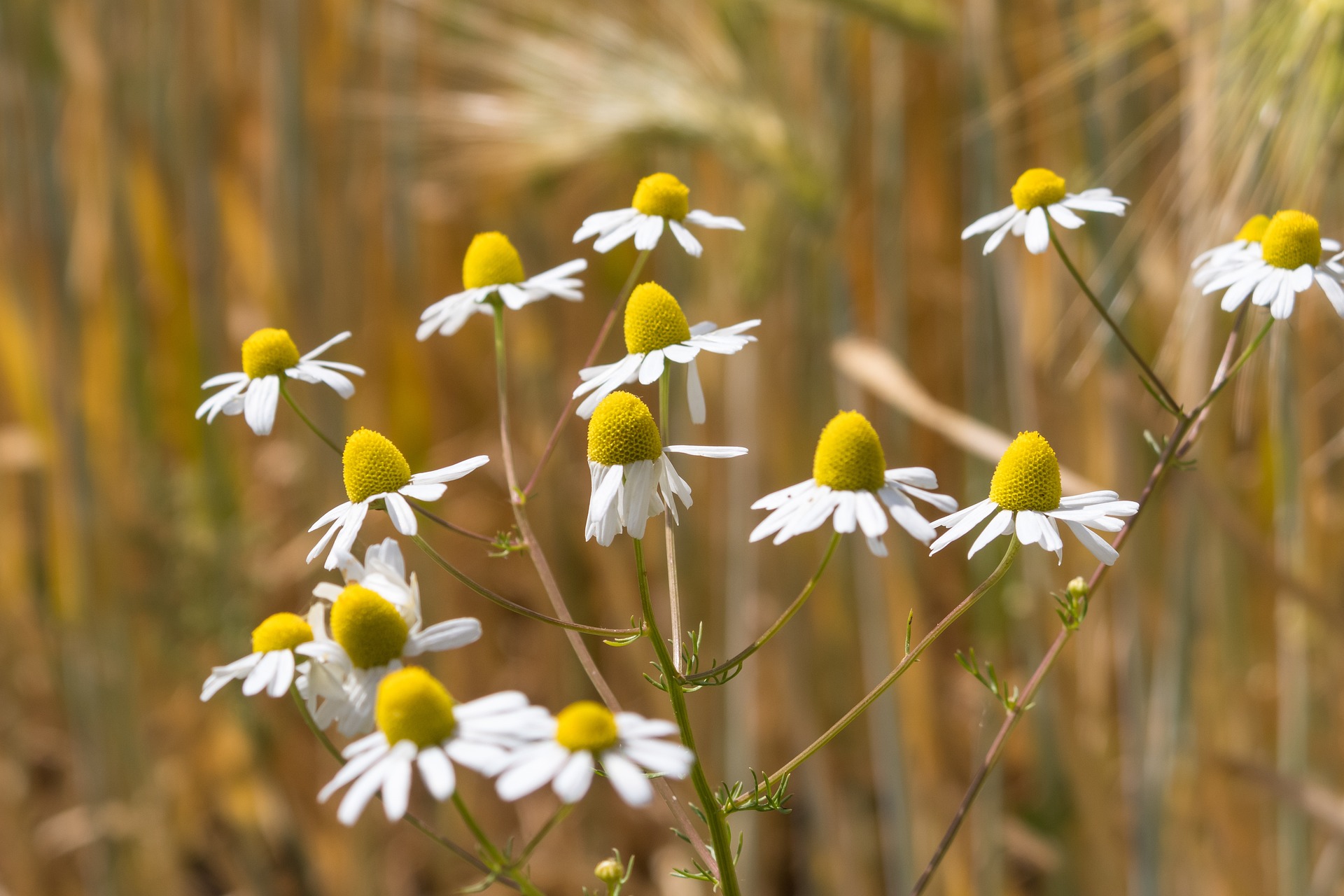
Chamomile
A small magical plant full of benefits and healing properties.
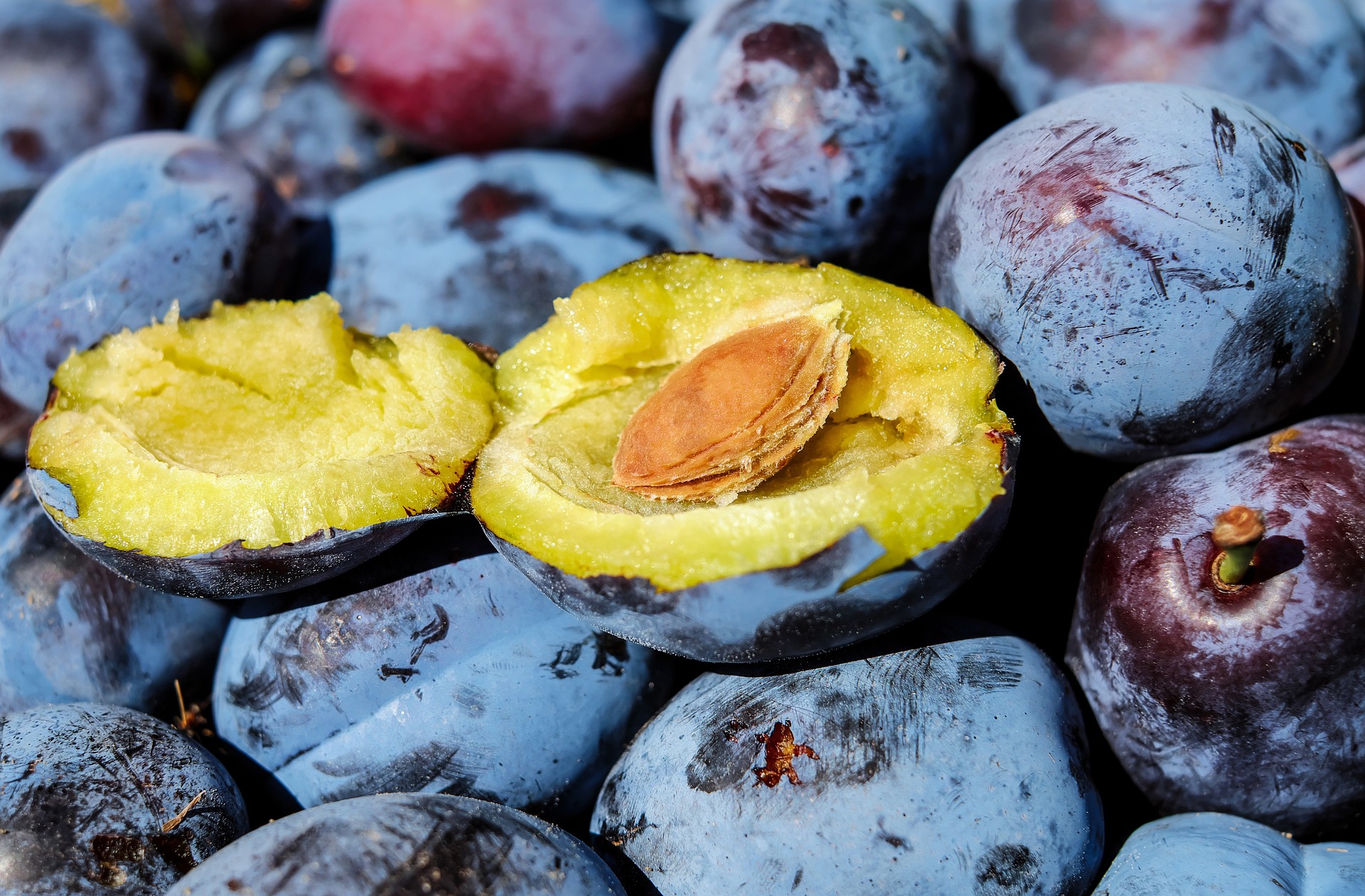
Plum
A juicy fruit tree that offers many different possibilities.
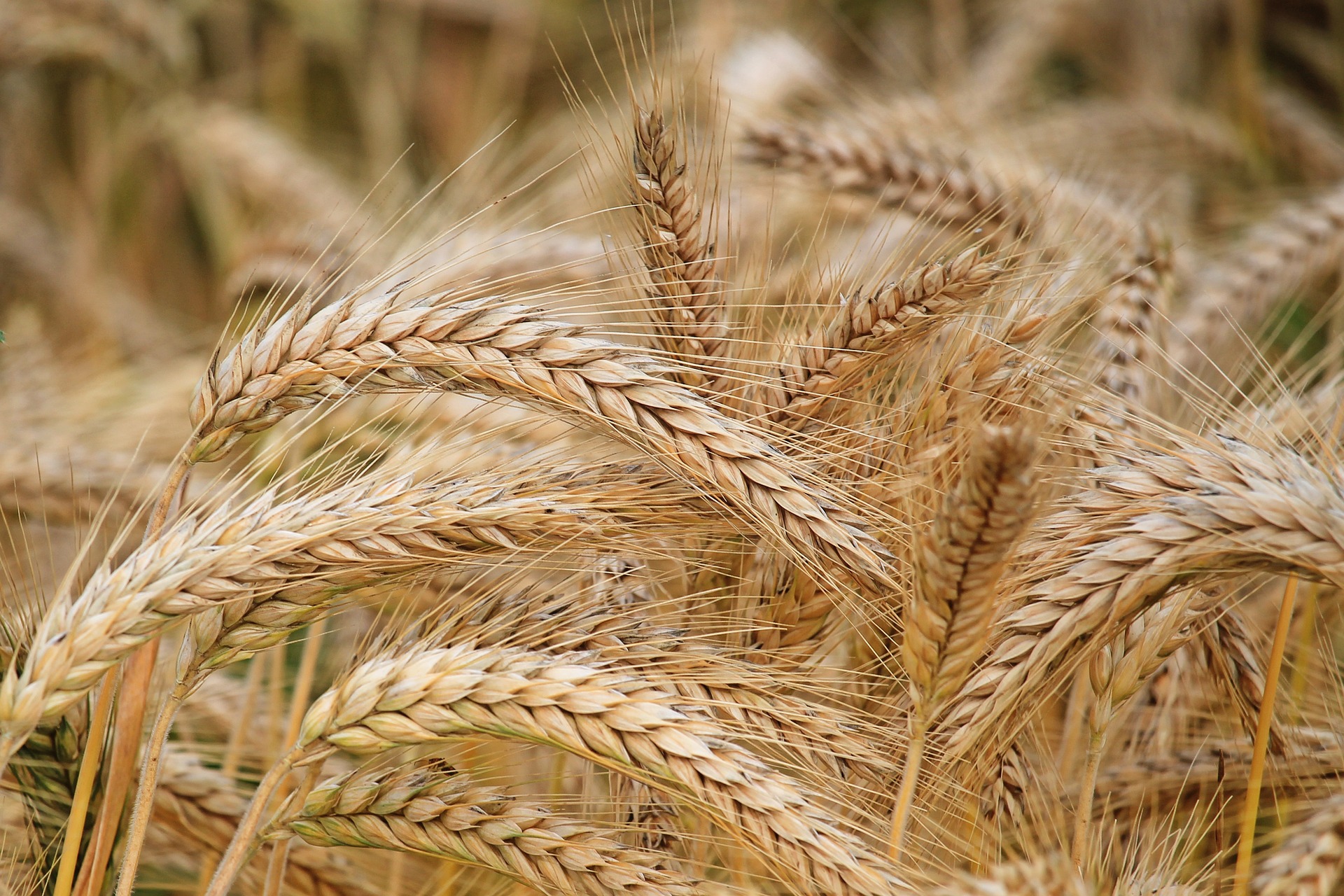
Barley
Cereal full of quality nutrients, vitamins and minerals.
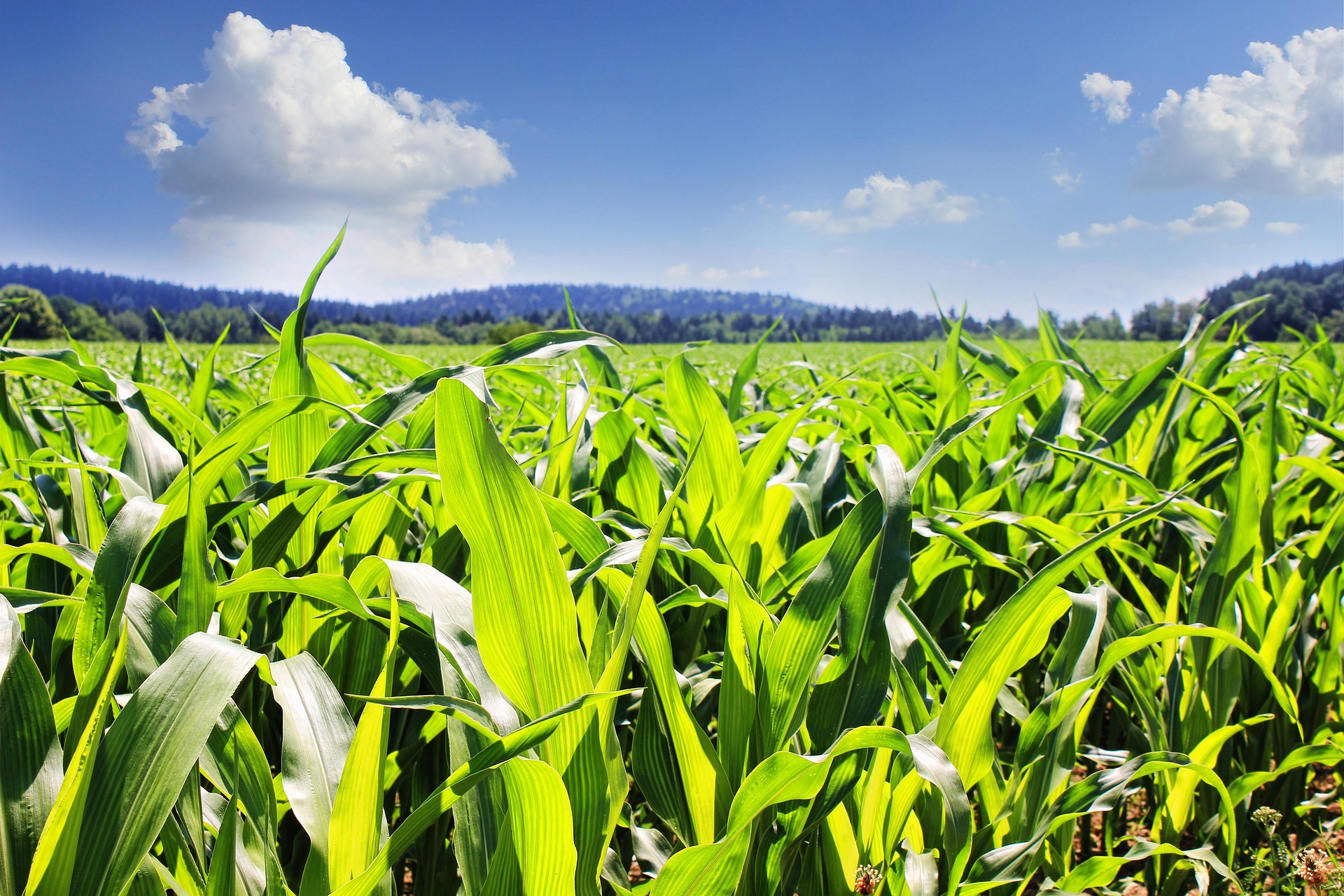
Corn
Crops that helps maintain heart, gut and brain health.
Magical plant
Chamomile
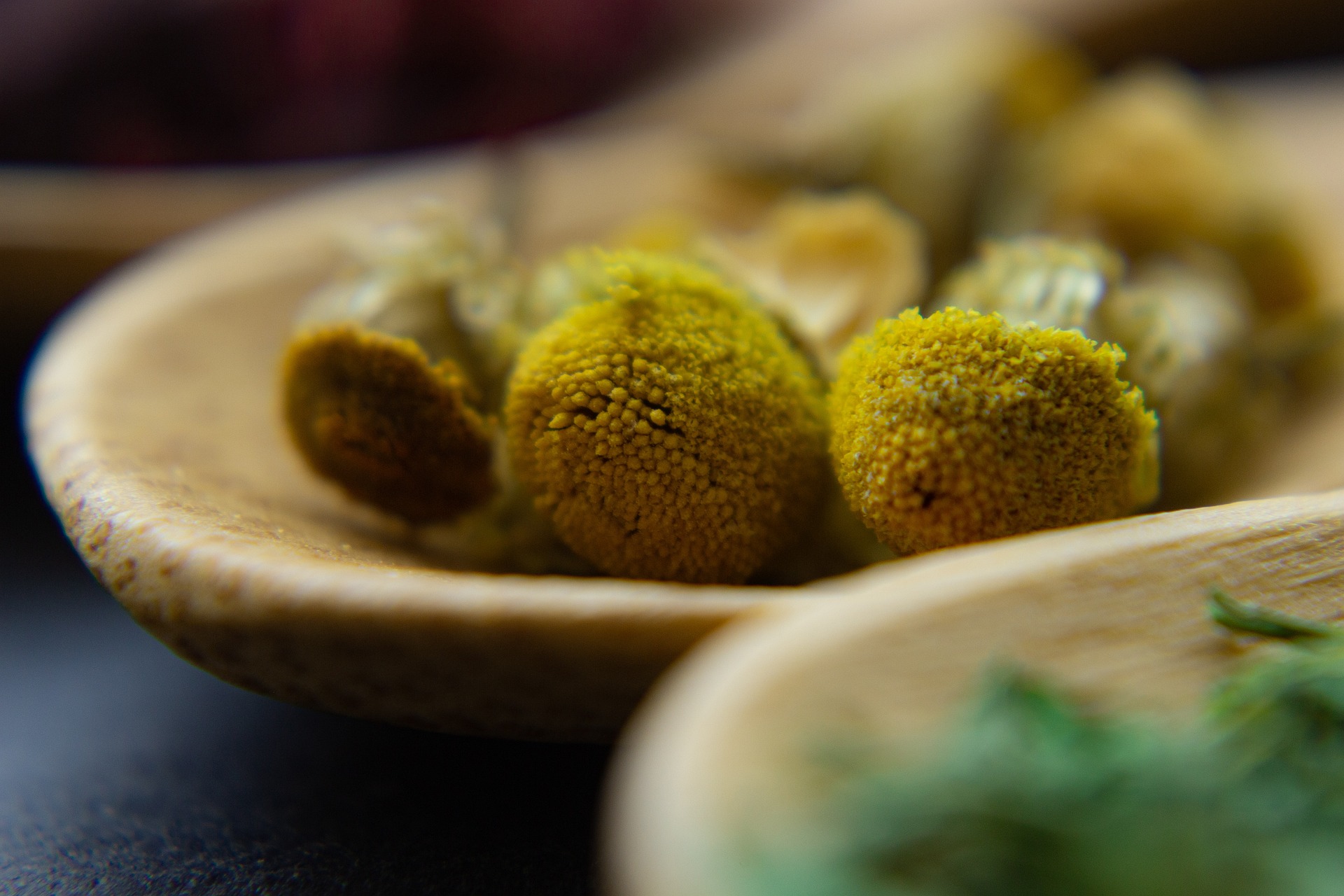
Chamomile is an annual plant that is grown for its healing and calming properties. It is used for medicinal and cosmetic purposes.
Its height depends on various factors such as the soil and can be from 5 to 100 cm high. The flower is composed of white petals arranged around a hollow inflorescence. It needs a moderate climate and medium temperature, and during flowering it needs a temperature above 20 ºC so that the quality of the essential oil is top notch. In addition to a stable temperature, it also needs light in order for the plant to thrive in its full glory, and it thrives on almost all types of soil. The highest quality chamomile is used to obtain essential oils, while inferior fresh chamomile and dry chamomile waste are used for all other products. The first and second class of chamomile flowers are dried, the third class is collected and distilled into essential oils. The flower of this crops is used the most, which should be separated when picking or after drying.
After all, chamomile is one of an extremely medicinal crops that has many healing properties. It is used to calm stomach problems such as bloating and nausea. It also has anti-inflammatory properties, relieves anxiety and insomnia, relieves pain such as muscle pain and headaches, and helps treat skin problems.
Guardian of health
Plum Bistrica
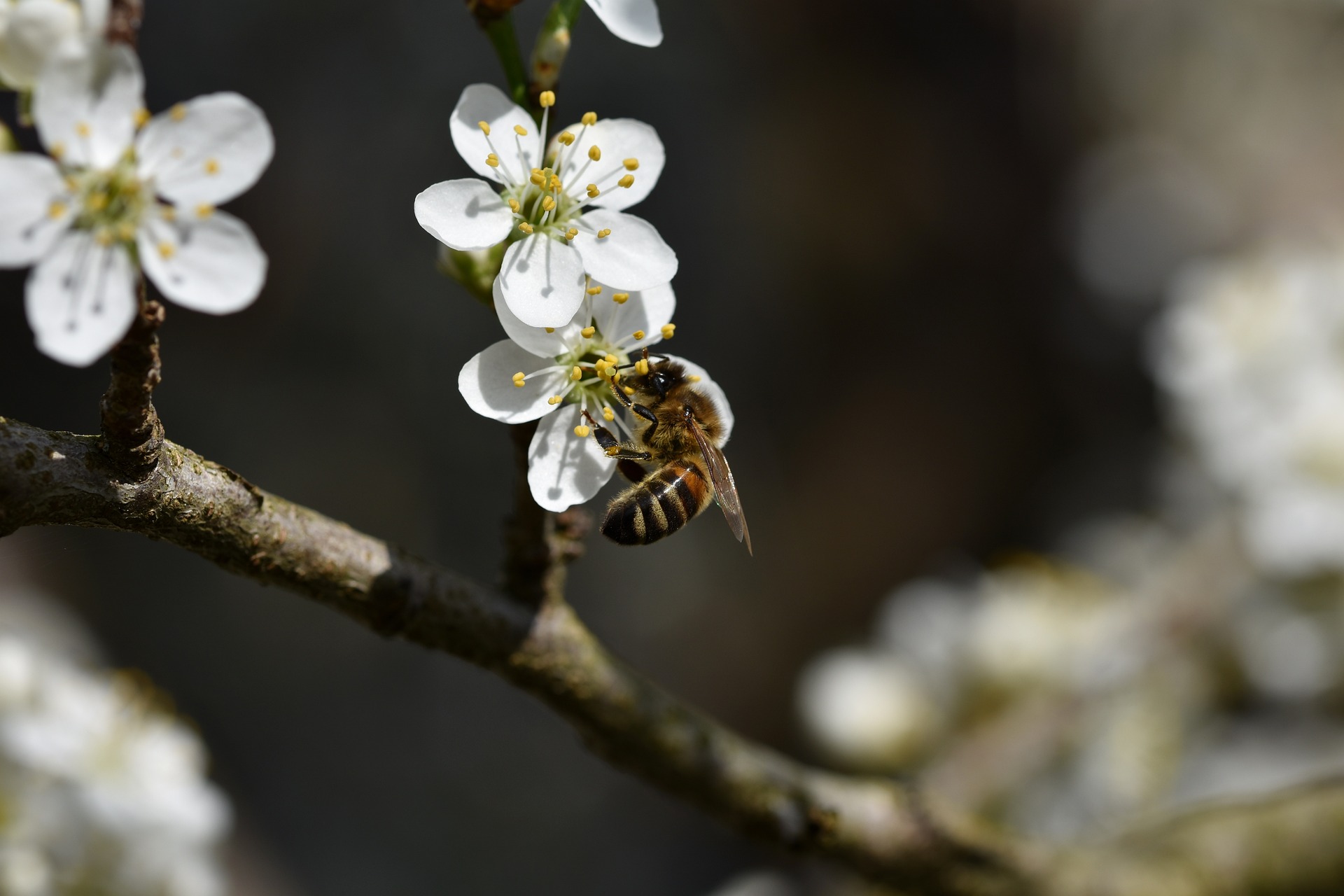
Plum is a fruit tree that grows as a medium-sized tree. They bloom in April, before leafing, and the fruits ripen from August to October, depending on the variety. In Croatia, the ecological conditions and thus the quality of the fruits are ideal for growing plums. The quality of the local Bistrica crops are particularly high, which are very well known and ideal for processing.
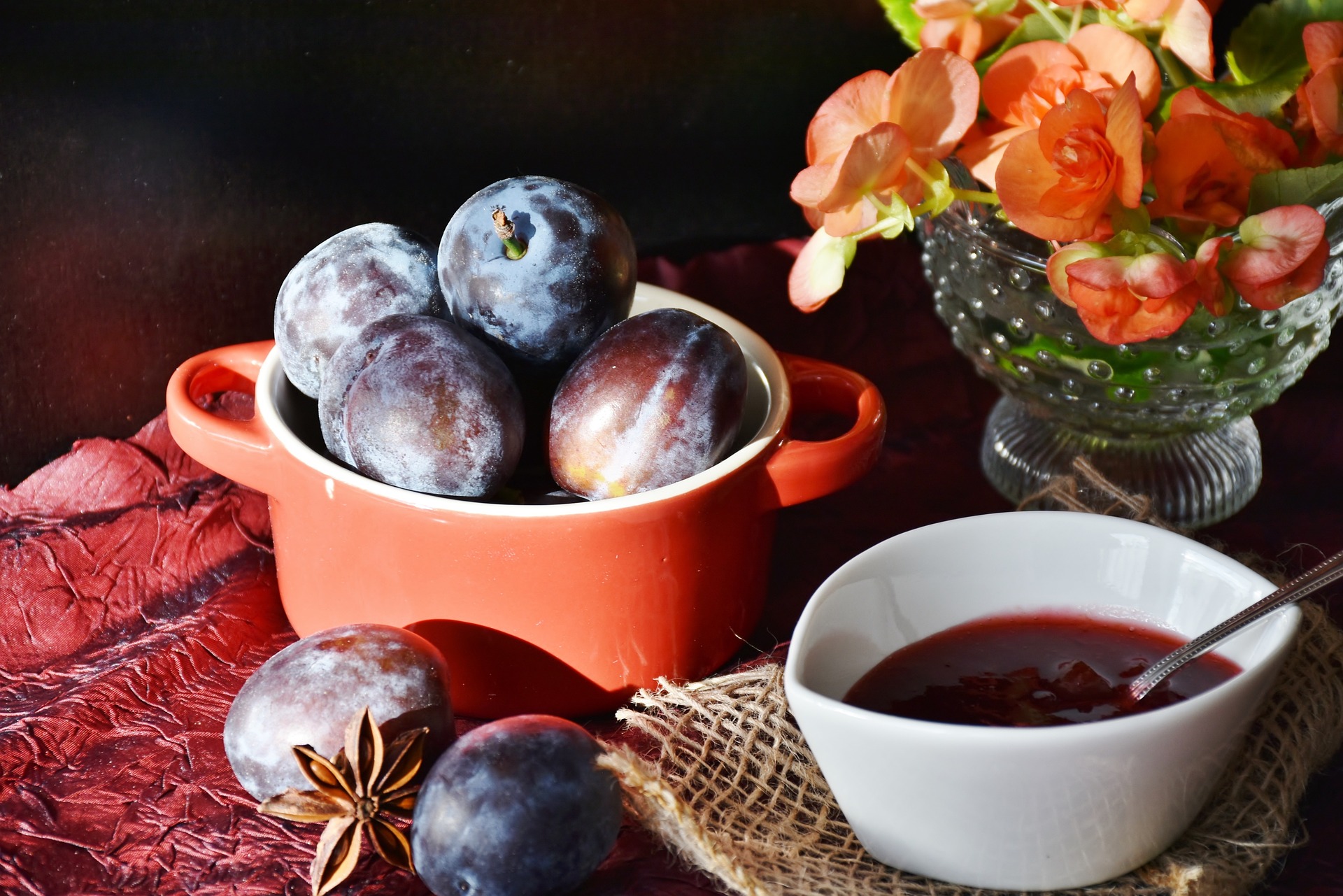
The color of the fruits ranges from pale green along the stem to deep purple. Fruits that are fleshy and juicy are used fresh and dry and in processing. It is the Bistrica variety that has a fine aroma that can also be felt in processed products such as jam, marmalade, compote or alcohol.
A plum is like a small guardian of health, as it contains numerous useful substances that help maintain the health of the intestines, heart and skin. Its fruits are also rich in fiber and antioxidants that protect the body from various diseases. Plums are also a good source of vitamins and minerals. They contain vitamin C, vitamin K and potassium. In addition, plums are low in calories and have been linked to a variety of health benefits, including improved digestion and a reduced risk of certain diseases such as heart disease and cancer.
Unexplored treasure
Barley
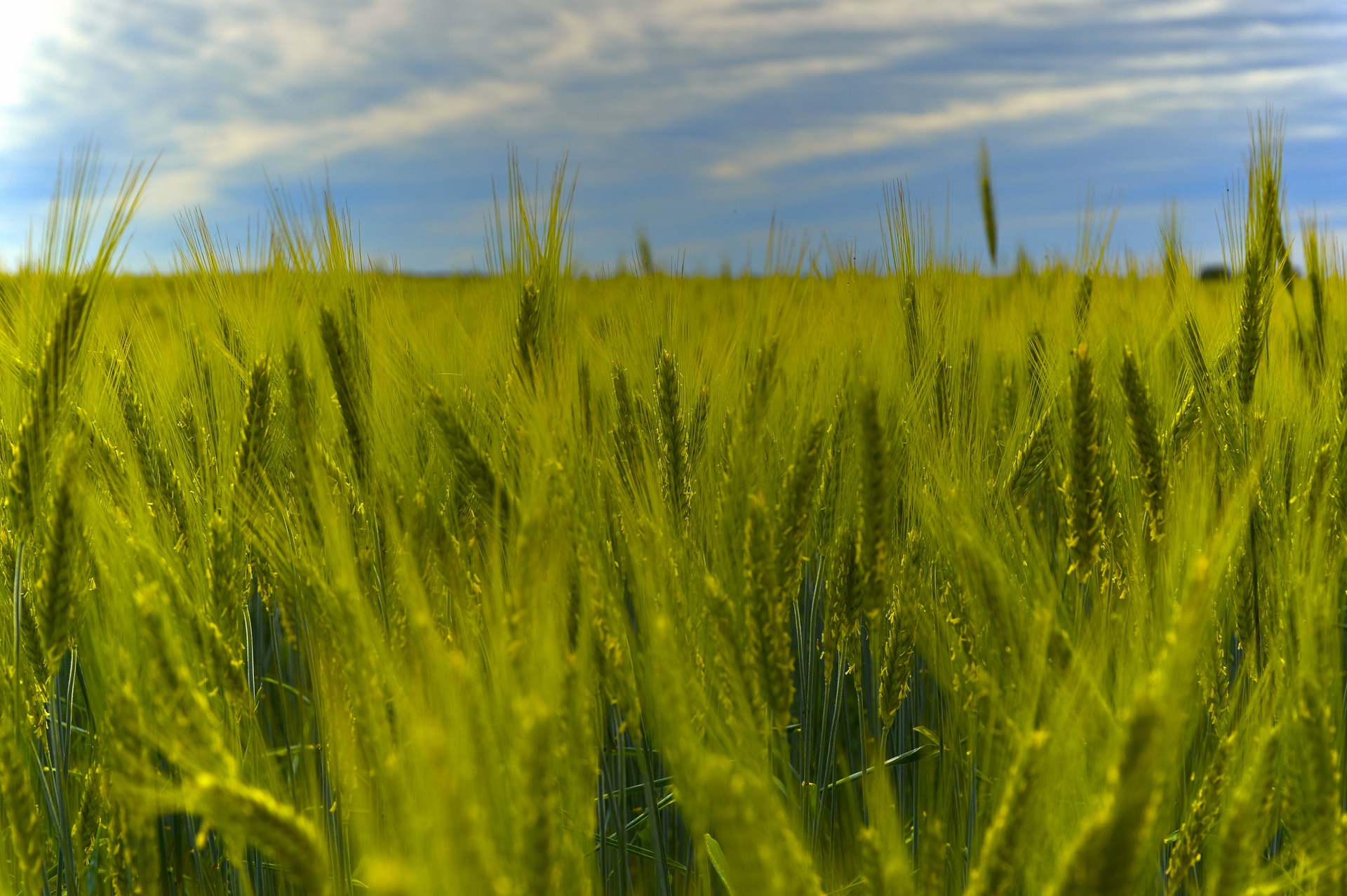
Barley is a cereal grain that is grown worldwide for its seeds, which are used for human and animal nutrition. This plant is known for its resistance to drought and low temperatures, which makes it suitable for growing in many climates. Barley is known for its high nutritional value, it is rich in fiber, protein, vitamin B complex, iron, magnesium, phosphorus and other nutrients. Due to its nutritional value, barley is often used in the preparation of various dishes, such as soups, salads and stews.
Barley is also used to feed livestock, such as cows, sheep and pigs. This form of use makes barley an important source of protein and energy for the animal feed industry. Barley is commonly used as feed for cattle, sheep, pigs and poultry. It is usually added to animal feed in the form of grains, but it can also be used in the form of silage or hay. Animal feed is valued for its high nutritional value, rapid growth and development of livestock, and healthy meat, milk and egg products.



A superhero in the grain field
Corn
Corn is an annual plant from the grass family, which is grown for its edible grains. Corn can be grown in different climates and on different soil types. The plant can grow to a height of 1 to 3 meters, depending on the variety and growing conditions. Corn has a stalk that consists of tough nodes with leaves that are long and narrow. The leaves are green and firm, and can be up to 60 cm long. Corn flowers are organized into male and female flowers that are found on the same plant. The male flowers are located at the top of the stem and the female flowers are located in the axils of the leaves.
Ripe corn kernels can be yellow, white or brown, and the shape of the kernel can be round or flattened. Corn kernels are usually arranged in rows on the cob that grows above the leaf. Corn is used as food for humans and animals, and can be consumed fresh, boiled or fried. It is also used for the production of flour, starch, syrup and oil.
Corn is a popular feed for livestock, especially pigs and poultry. Corn is used in the form of grains, silage or flour. Corn is rich in carbohydrates and calories, and contains some minerals and vitamins such as vitamin A, vitamin E, calcium and phosphorus.